FOR PROVIDERS
Zywie Nano™ Patch: Heart Monitor for Bradycardia
A slow heart rate can be difficult to capture during a brief office visit. Extended cardiac monitoring records every beat for up to 30 days, helping providers identify when bradycardia occurs, evaluate the rhythm surrounding the event, and correlate those findings with the patient’s reported symptoms.


No bigger than a bandaid!
The Question Is Not Whether the Rate Is Slow
Bradycardia is easy to define and harder to interpret. A resting heart rate under 60 beats per minute is common in patients who exercise regularly and normal during sleep. What matters clinically is whether a slow heartbeat is producing symptoms and what is driving it, whether that is sinus node dysfunction, disrupted conduction to the lower chambers, beta blockers or a calcium channel blocker, sleep apnea, or an underactive thyroid gland. A physical exam and a 12-lead ECG capture one moment, and a 24- to 48-hour Holter monitor often ends before the next pause or nocturnal drop.
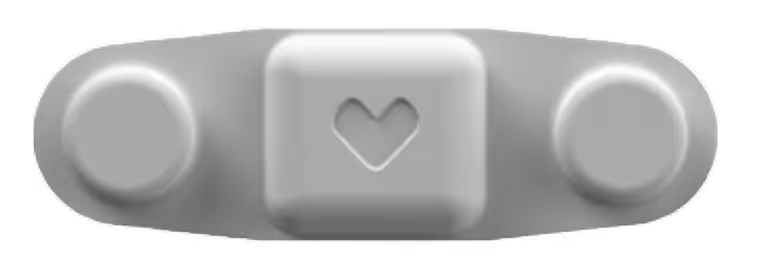
The Zywie Nano™ Patch records the heart's electrical activity continuously for up to 30 days, transmitting through Zywie's AI-driven mobile cardiac telemetry platform for near real-time review. Weeks of data show where the lowest rates fall and whether the fatigue or dizziness your patient logged coincides with a slow rate or a pause. Small and unobtrusive, the Zywie Nano™ Patch keeps recording high-fidelity ECG through your patient's normal daily activities.
The Zywie Nano™ Patch records the heart's electrical activity continuously for up to 30 days, transmitting through Zywie's AI-driven mobile cardiac telemetry platform for near real-time review. Weeks of data show where the lowest rates fall and whether the fatigue or dizziness your patient logged coincides with a slow rate or a pause. Small and unobtrusive, the Zywie Nano™ Patch keeps recording high-fidelity ECG through your patient's normal daily activities.
Learn More

90mm


28mm

Three Steps to a Full Rate Picture
Prescribe and Apply
Order the study through the workflow you already use. The small device is applied during an office visit or mailed to your patient with a short illustrated guide, and there are no lead wires to connect.
Continuous Monitoring
The patch tracks every heartbeat day and night for the full study period, and your patient taps to log fatigue, lightheadedness, chest pain, or a near-fainting spell as it happens, tying each symptom to the rate at that moment.
Detailed Test Results
Your patient mails the patch back once recording ends, and a report reaches your office within an average of 1-3 business days after study completion.
When to Order Cardiac Monitoring for Bradycardia

Extended monitoring earns its place whenever you need to establish that bradycardia is symptomatic or locate where in the heart's electrical system it originates. Common indications include:
- Fatigue, dizziness, exercise intolerance, or near-syncope that may be bradycardia symptoms
- Suspected sinus node dysfunction or sick sinus syndrome, including a slow rate alternating with atrial fibrillation
- A slow heart rate on a single ECG, where symptom correlation is missing
- Second-degree or intermittent third-degree AV block
- Rate assessment after starting or titrating beta blockers, a calcium channel blocker, or an antiarrhythmic
- Older adults with unexplained fatigue where a slow heartbeat may be the underlying cause
- Suspected contributors include sleep apnea, an underactive thyroid gland, or conduction changes after a heart attack
- Pacemaker candidacy evaluation, where symptoms need to coincide with the slow rate
When events occur less than once a month, an implantable loop recorder is the better tool. For nearly every other outpatient bradycardia workup, extended MCT monitoring provides the symptom correlation treatment decisions depend on.
.jpg)
What Weeks of Data Establish About Bradycardia
A single low reading raises the question. Continuous monitoring answers it by showing how often the rate drops, how far, when, and what the patient felt at the time.
Separate a Benign Slow Rate From Symptomatic Bradycardia
Sinus bradycardia in a well-conditioned patient needs no treatment, while the same rate in a patient reporting fatigue and lightheadedness changes the plan. Symptom logging across weeks establishes whether complaints coincide with the slow rate or occur independently, which is what separates observation and lifestyle changes from bradycardia treatment.
Locate the Problem in the Heart's Electrical System
Bradycardia can begin at the sinoatrial node, the heart's natural pacemaker, or in the pathway that carries each electrical impulse downstream. Continuous ECG shows whether the sinus node is failing to fire, whether electrical signals are dropped on the way to the ventricles, and whether pauses are sinus arrest or high-grade block.
Capture Overnight Drops and Intermittent Pauses
The lowest rates often occur during sleep, and pauses can sit days apart. An event recorder only saves what the patient triggers, and a two-day study often ends before the next event. Zywie's own clinical data show 16-28% higher detection of first AFib, pause, and ventricular tachycardia events between days 15 and 30 compared to a 14-day study, and pauses are the finding that determines whether a patient needs a pacemaker.
Frequently Asked Questions
What counts as bradycardia, and when does it warrant monitoring?

Bradycardia is generally defined as a resting heart rate below 60 beats per minute. On its own, it is often harmless, particularly in patients who exercise regularly and during sleep. Monitoring is warranted when a slow rate appears alongside symptoms, when it is unexplained, or when there is reason to suspect sinus node dysfunction, a conduction problem, or another heart rhythm disorder.
How is the Zywie Nano™ Patch different from a 24-hour Holter monitor?
A Holter monitor records for 24 to 48 hours using several electrodes and lead wires. The Zywie Nano™ Patch is an adhesive patch worn on the chest that records for up to 30 days and transmits automatically for near real-time review, which matters for a slow rate that only surfaces overnight or in occasional pauses.
Can monitoring show whether bradycardia comes from the sinus node or from conduction block?
Yes. Continuous ECG captures the timing and origin of each beat, which distinguishes sinus node dysfunction from AV block and identifies whether a pause reflects a failure of the sinus node to fire or a dropped electrical signal further down the conduction system.
How does monitoring support a pacemaker decision?
Pacemaker candidacy generally depends on showing that bradycardia is symptomatic or that pauses and blocks are significant. A long recording documents the frequency, duration, and lowest rates alongside patient-logged symptoms, giving the healthcare professional the correlation needed to make that call.
How long should a patient wear the monitor for bradycardia?
Seven days is often enough when symptoms occur several times a week. Fourteen days fits roughly weekly patterns. Thirty days is the strongest choice when episodes are infrequent or when the record needs to capture rare pauses. Zywie offers all three lengths.
Can patients shower, sleep, and exercise while wearing the monitor?
Yes. The waterproof patch stays in place through showering, sleeping, most exercises, and overnight wear matters here because the slowest rates usually occur during sleep. Patients should avoid submerging it, so prolonged swimming and hot tubs are out.
How quickly will I receive the test results?
Reports reach your office within an average of 1-3 business days after study completion.
Join Us in Revolutionizing Cardiology – Let's Transform Heart Health Together
Get in Touch