MCT Monitor Overview: Mobile Cardiac Telemetry Explained

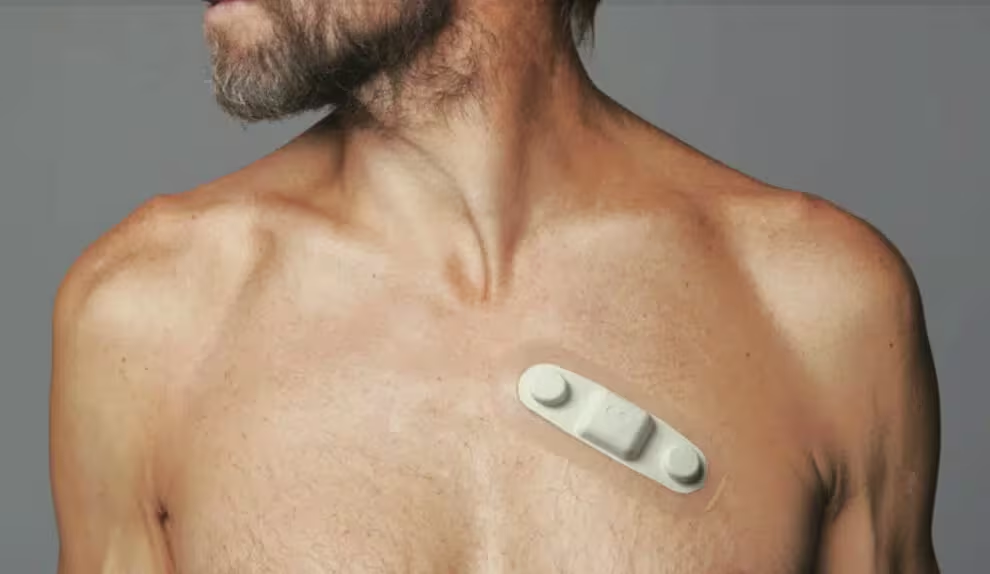
What Is an MCT Monitor? How Mobile Cardiac Telemetry Works
The Short Answer: An MCT monitor is a wearable cardiac device that records your heart's electrical activity. Some MCT systems offer the capability to wirelessly transmit that data to a remote monitoring center, but not all. Unlike a Holter monitor or event monitor, MCT devices automatically detect abnormal heart rhythms without any action from the patient. The difference between MCT providers often comes down to whether data is transmitted in near real-time or held on the device until it is returned.
If your physician has recommended ambulatory cardiac monitoring, you may be weighing your options. This guide explains what an MCT device is, how the MCT monitoring process works from start to finish, who it is for, and how it compares to other cardiac monitors so you can walk into your next appointment informed.
What Does MCT Stand For?
MCT stands for mobile cardiac telemetry. An MCT monitor is a small, wearable device that records cardiac activity and transmits ECG data to a remote monitoring center, though the timing and method of that transmission vary by provider.
Some MCT companies require the physical device to be returned before physicians can review recorded data. Others, like Zywie Healthcare, transmit data wirelessly to a 24/7 monitoring center in near real-time, meaning the ordering physician does not have to wait for the device to come back to act on findings or receive critical alerts.
Physicians typically order an MCT device for patients with suspected arrhythmia, atrial fibrillation, or unexplained symptomatic episodes like palpitations or fainting.
How Does Mobile Cardiac Telemetry Work?
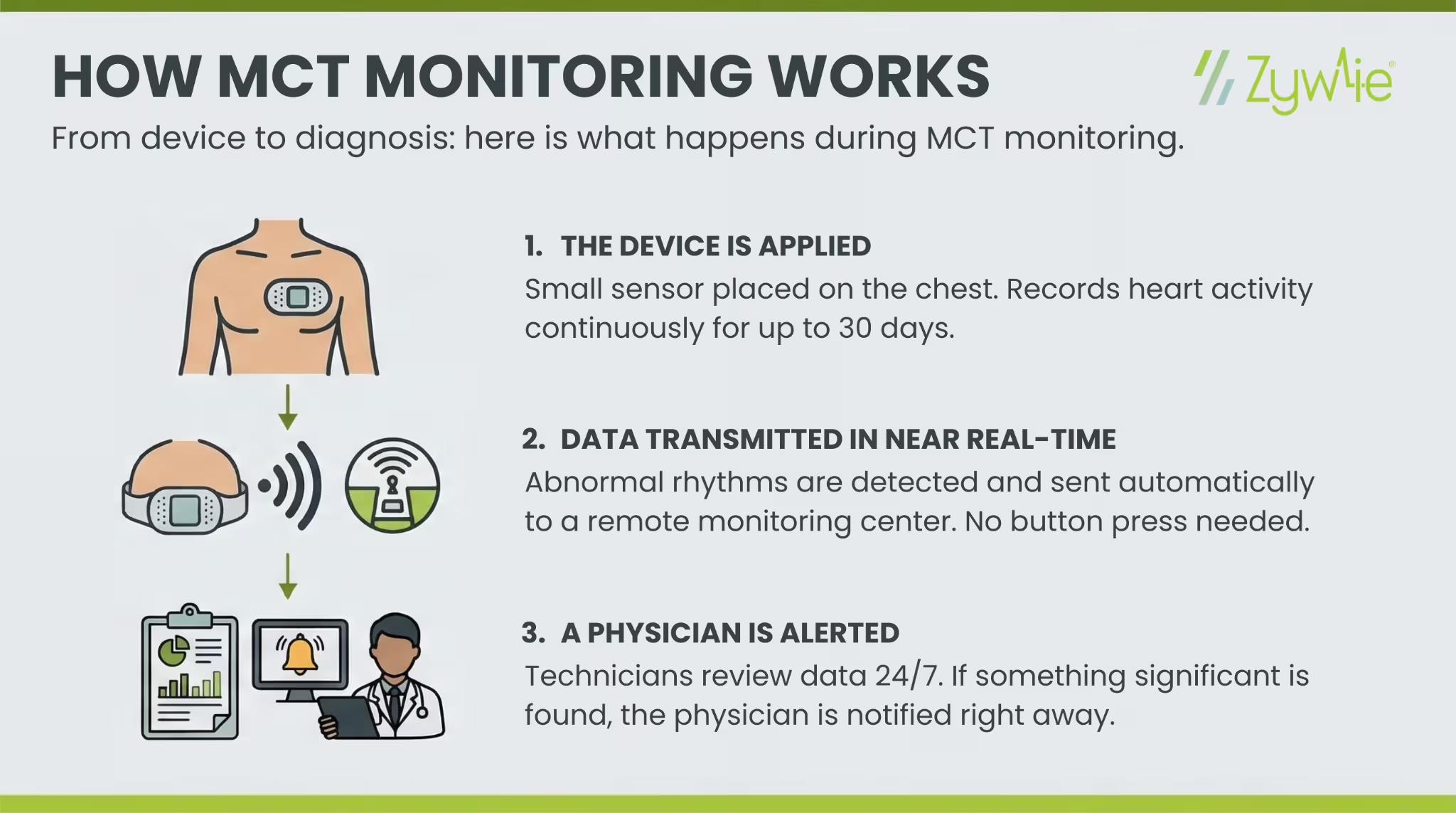
Step 1: The MCT Device Is Applied
The MCT device is a small wearable sensor placed on the chest. Modern MCT devices are low-profile and designed to fit into patients' daily lives with minimal disruption.
- Patients can sleep, work, and do light exercise while wearing it
- The monitoring period typically ranges from 7 to 30 days
- No inpatient monitoring or hospital stay is required
Step 2: Near Real-Time Transmission to a Monitoring Center
This is where MCT monitoring providers differ significantly. Not all MCT systems transmit data during the monitoring period. Some store recordings on the device until it is returned, which means physicians may wait days or weeks before reviewing cardiac data.
With a live-transmitting MCT system, the device analyzes the heart's electrical activity and wirelessly sends ECG data to a remote monitoring center when it detects an abnormal heart rhythm.
- Trained technicians at a remote monitoring center review incoming cardiac data 24/7
- If a cardiac event is flagged, the monitoring team contacts the ordering physician directly
- No patient activation is needed. The MCT device handles detection and transmission automatically
This loop between device, monitoring center, and physician is what makes near real-time MCT monitoring clinically valuable. Rather than storing data until the device is returned, findings move through the system as they occur, giving the care team the ability to respond without waiting.
Step 3: The Final Report
Once the monitoring period ends, the physician receives a detailed final report. It includes:
- A full summary of recorded cardiac rhythm data across the entire monitoring window
- Documentation of any symptomatic episodes
- Identified arrhythmias or abnormal heart rhythm findings
- Clear cardiac data the physician can act on immediately
This report gives the physician everything needed for an accurate diagnosis and confident next steps.
MCT Monitor vs. Other Cardiac Monitoring Devices
Not every cardiac monitor works the same way. Here is how MCT compares to common alternatives:
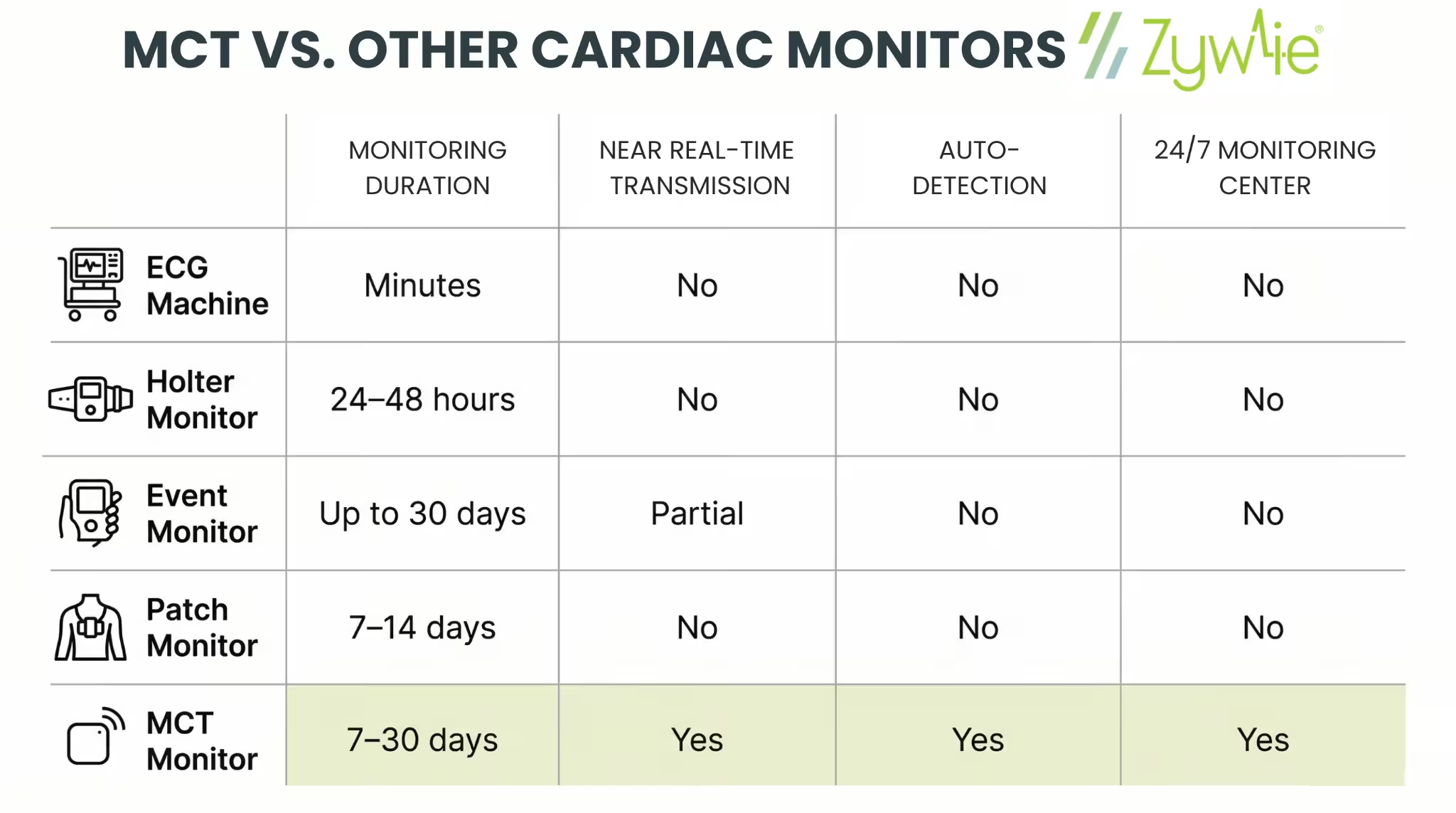
Holter monitor vs. MCT: A Holter monitor only captures 24–48 hours of data and requires the device to be returned before results can be reviewed. Think of it like recording to a cassette tape you can only play back later. For patients with infrequent symptoms, a Holter often misses events entirely. MCT's extended monitoring period and near real-time alerts make it a stronger choice when a higher diagnostic yield matters.
Patch monitor vs. MCT: A patch monitor records cardiac data passively but does not typically provide active oversight from a monitoring center. If a physician needs immediate notification of a cardiac event during the monitoring window, the MCT system delivers that coverage.
Event monitor vs. MCT: An event monitor requires the patient to manually trigger a recording when they notice a symptom like shortness of breath or palpitations. This creates a gap. If a patient does not recognize a symptomatic episode or misses it during sleep, that cardiac event may go unrecorded. The MCT device removes that dependency entirely.
What Conditions Does MCT Monitoring Help Detect?
MCT monitoring is used to diagnose or manage a range of cardiac conditions, including:
- Atrial fibrillation (AFib): Paroxysmal AFib can be difficult to capture in a short monitoring window. MCT's extended duration increases detection rates significantly.
- Cardiac arrhythmias: Including supraventricular tachycardia, bradycardia, and other forms of irregular heartbeat
- Unexplained syncope or palpitations: When symptoms are too infrequent to capture with standard monitoring
- Antiarrhythmic drug therapy evaluation: Physicians use MCT data to assess how well antiarrhythmic drugs are managing heart rhythm and adjust treatment accordingly
- Post-procedure surveillance: Some patients recovering from a surgical procedure require ongoing cardiac rhythm oversight before returning to normal activity
Who Is a Good Candidate for MCT Monitoring?
MCT monitoring is typically ordered for patients who:
- Experience intermittent palpitations, shortness of breath, dizziness, or near-syncope that do not occur daily
- Are at elevated risk for stroke due to suspected undetected AFib
- Had a previous Holter monitor or event monitor return inconclusive results
- Require ongoing remote physician oversight between office visits
- Need an accurate diagnosis before moving forward with treatment or further intervention
What to Expect as a Patient
The process is straightforward. Here is a quick look at what happens during MCT monitoring:
- Setup: A care team applies the MCT device and walks the patient through basic instructions
- Daily life: Patients continue normal routines throughout the monitoring period. Most patients report that the device has little to no impact on daily activity, which also supports better compliance and more complete data collection over the full monitoring window
- Symptom logging: Patients may be asked to note any symptomatic episodes so the monitoring team can cross-reference with transmitted ECG data
- Active oversight: The remote monitoring center reviews cardiac data. If a significant finding occurs, the ordering physician is contacted directly
- Wrap-up: After the monitoring period ends, the device is returned or disposed of, and the physician receives the final report
Does MCT Monitoring Improve Patient Outcomes?
Research consistently shows MCT achieves a higher diagnostic yield than Holter monitors for detecting arrhythmias, particularly in patients with infrequent symptoms. The CRYSTAL AF clinical trial, published in The New England Journal of Medicine, found that continuous cardiac monitoring detected atrial fibrillation in 6.4 times more patients than standard care at six months, underscoring how much is missed without extended, automated monitoring.
A primary benefit of near real-time transmission is that physicians do not have to wait until the device is returned to act on findings. If a clinically significant arrhythmia is detected mid-monitoring period, the care team can respond right away.
Earlier, more accurate diagnoses can reduce:
- Unnecessary downstream testing and procedures
- Avoidable hospitalizations
- Cardiovascular costs tied to missed or delayed diagnoses
MCT monitoring also supports more informed decisions around antiarrhythmic drug therapy, surgical procedure planning, and long-term cardiac management. For physicians managing high-risk patients or those with recurring unexplained symptoms, having access to cardiac data throughout the monitoring period changes what is possible before the next office visit.
MCT Monitoring with Zywie Healthcare
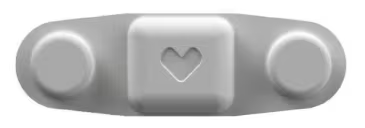
Zywie Healthcare offers the ZywieNano, an MCT patch no bigger than a Band-Aid that monitors for up to 30 days with live-transmitting, beat-to-beat analysis. That exceeds the industry-standard 14-day monitoring window used by many providers.
That extended monitoring period matters. A 15 to 30 day window increases diagnostic yield, capturing arrhythmias and symptomatic episodes that shorter monitoring periods miss entirely. More complete cardiac data means physicians can make clinically relevant decisions faster, reducing the time between symptom onset and an accurate diagnosis.
The low-profile design supports patient compliance throughout the full monitoring window, which also improves data quality. Patients who forget they are wearing the device are more likely to continue normal activity, and that behavioral data is part of what gives providers a clearer picture.
Zywie's system also delivers near real-time notifications with customizable alert parameters, so clinicians receive only the cardiac data that is clinically relevant. Providers do not have to wait for the device to be returned to review findings or respond to critical alerts.
For providers looking to reduce diagnostic delays, improve speed to care, and support better patient outcomes, Zywie's MCT monitoring system is built for modern cardiac care workflows.
Contact Zywie Healthcare to learn more about the ZywieNano MCT system or explore how Zywie can support your practice.
Join Us in Revolutionizing Cardiology – Let's Transform Heart Health Together