ABOUT
Blog
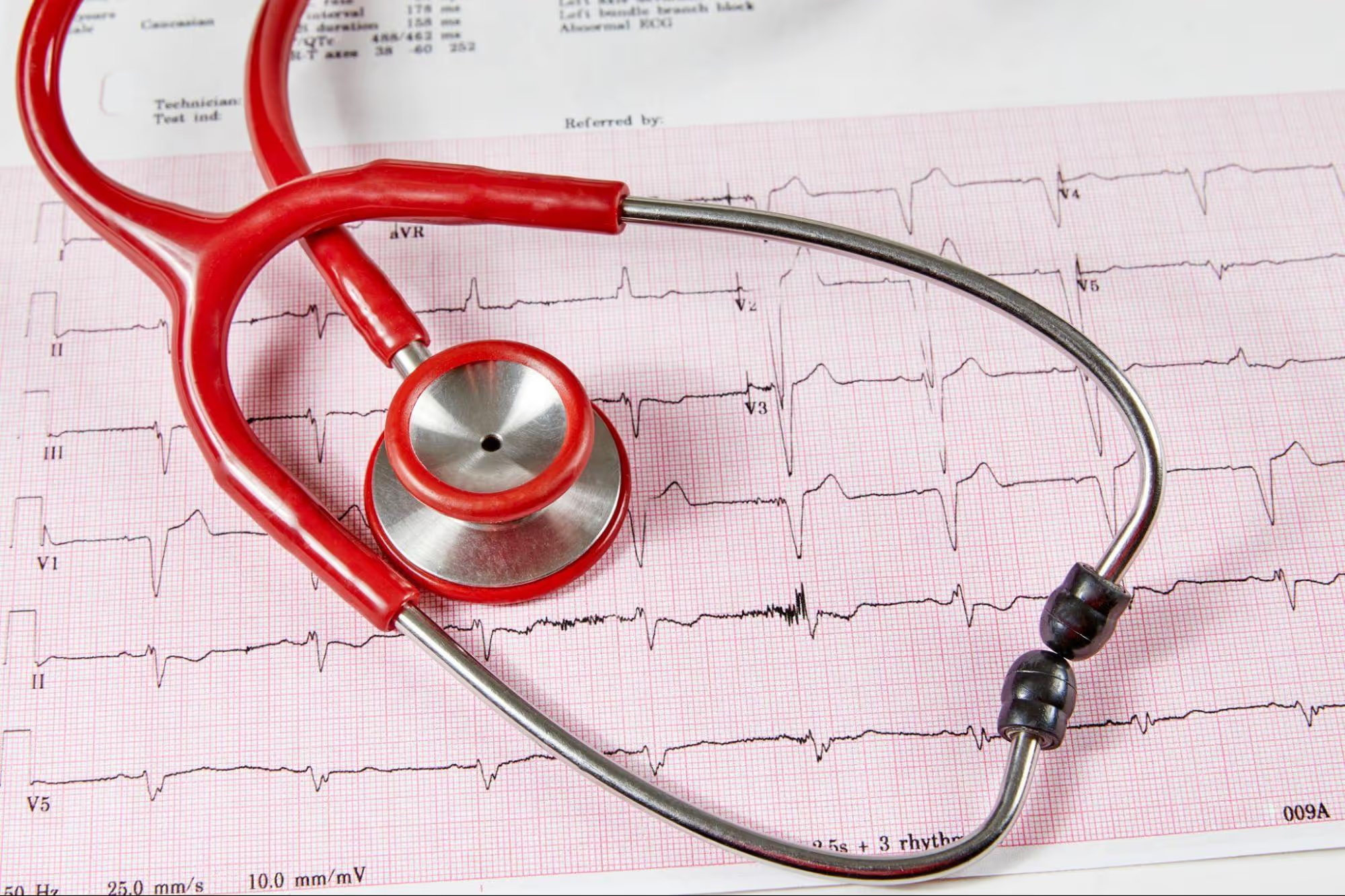
Atrial Fibrillation vs. Flutter: Causes, Risks, and How Cardiac Monitoring Helps
Atrial fibrillation and atrial flutter are both abnormal heart rhythms that originate in the upper chambers of the heart, but they differ in how their electrical signals behave, how they appear on an ECG, and how they are treated. Both carry serious risks, including stroke and heart failure, and accurate diagnosis through extended remote cardiac monitoring is the first step toward effective management.
All Posts
Filter by
Thank you! Your submission has been received!
Oops! Something went wrong while submitting the form.

Why Am I Waking Up With My Heart Racing?
Waking up with your heart racing usually traces back to sleep apnea, a nocturnal panic attack, or something that spikes stress hormones overnight, like alcohol or low blood sugar.

PVC Burden: What It Means and How Heart Monitoring Measures It
PVC burden is the percentage of your total heartbeats that are premature ventricular contractions over a set recording period.

How Continuous ECG Monitoring Helps Detect Intermittent Arrhythmias
Continuous ECG monitoring records every heartbeat for days or weeks instead of hours, so it captures irregular rhythms that come and go between office visits.

Wearing a Heart Monitor for 2 Weeks: What to Expect Day by Day
Wearing a heart monitor for 2 weeks means going about your daily life with a small device on your chest that records your heart's electrical activity around the clock.

SVT vs. VT: Understanding the Difference Between Supraventricular and Ventricular Tachycardia
SVT starts at or above the AV node and usually produces a fast, narrow-complex rhythm, while VT starts in the ventricles and produces a wide-complex rhythm that can be life-threatening.

How AI ECG Interpretation Supports Heart Monitoring
AI ECG interpretation uses trained algorithms to read heart tracings, flag an abnormal ECG, and help clinicians act faster. It works best as a support tool that speeds arrhythmia detection and triage, while a certified clinical monitoring technician confirms the specific diagnosis.
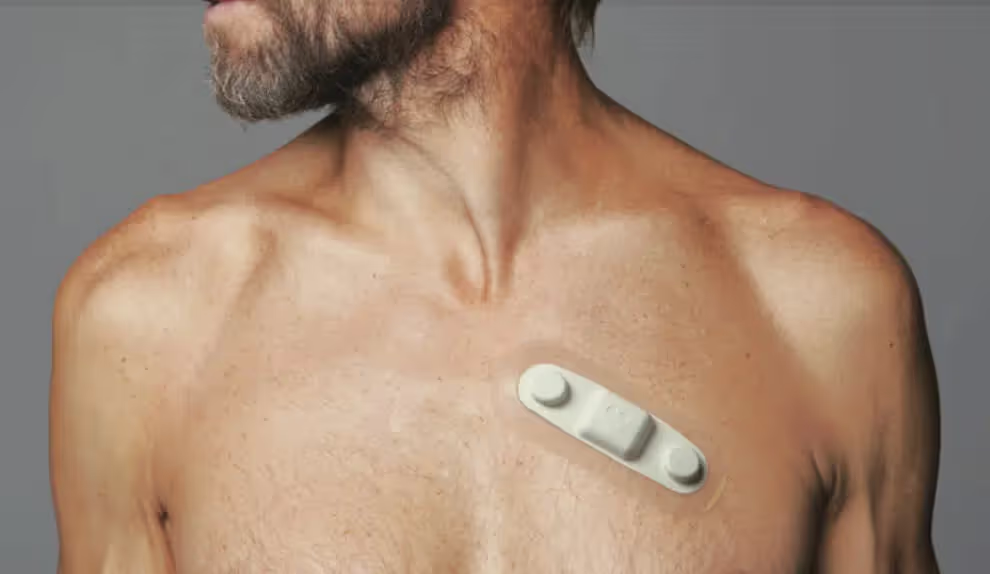
MCT Monitor Overview: Mobile Cardiac Telemetry Explained
An MCT monitor is a wearable cardiac device that records your heart's electrical activity. Some MCT systems offer the capability to wirelessly transmit that data to a remote monitoring center, but not all. Unlike a Holter monitor or event monitor, MCT devices automatically detect abnormal heart rhythms without any action from the patient. The difference between MCT providers often comes down to whether data is transmitted in near real-time or held on the device until it is returned.
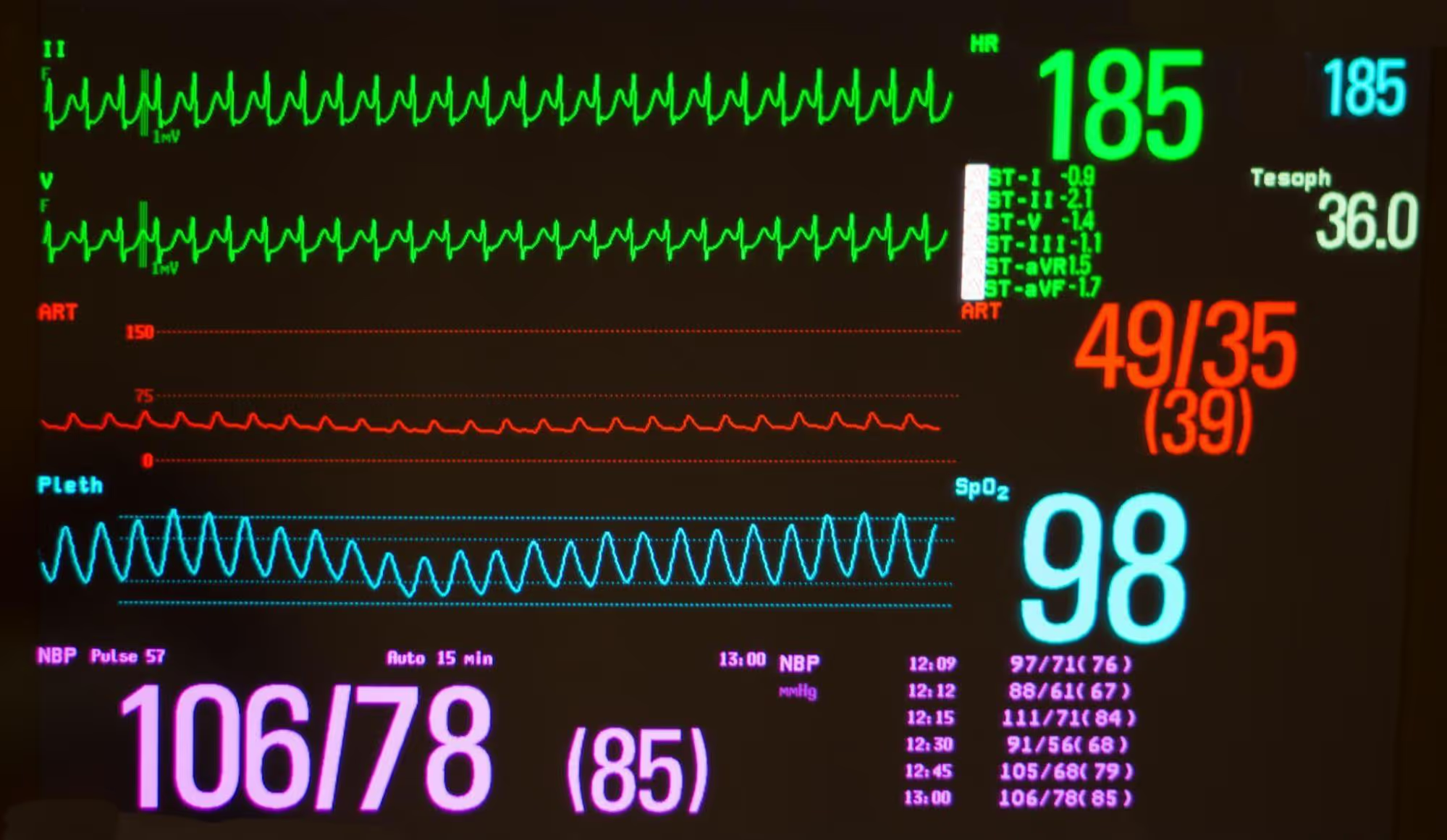
Tachycardia vs. Bradycardia: Causes, Symptoms, and How Each Is Monitored
Tachycardia is a heart rate faster than normal (over 100 beats per minute at rest), while bradycardia is a slow heart rate under 60 beats per minute. Both can be harmless or a sign of an underlying heart condition, and cardiac monitoring helps doctors tell the difference.
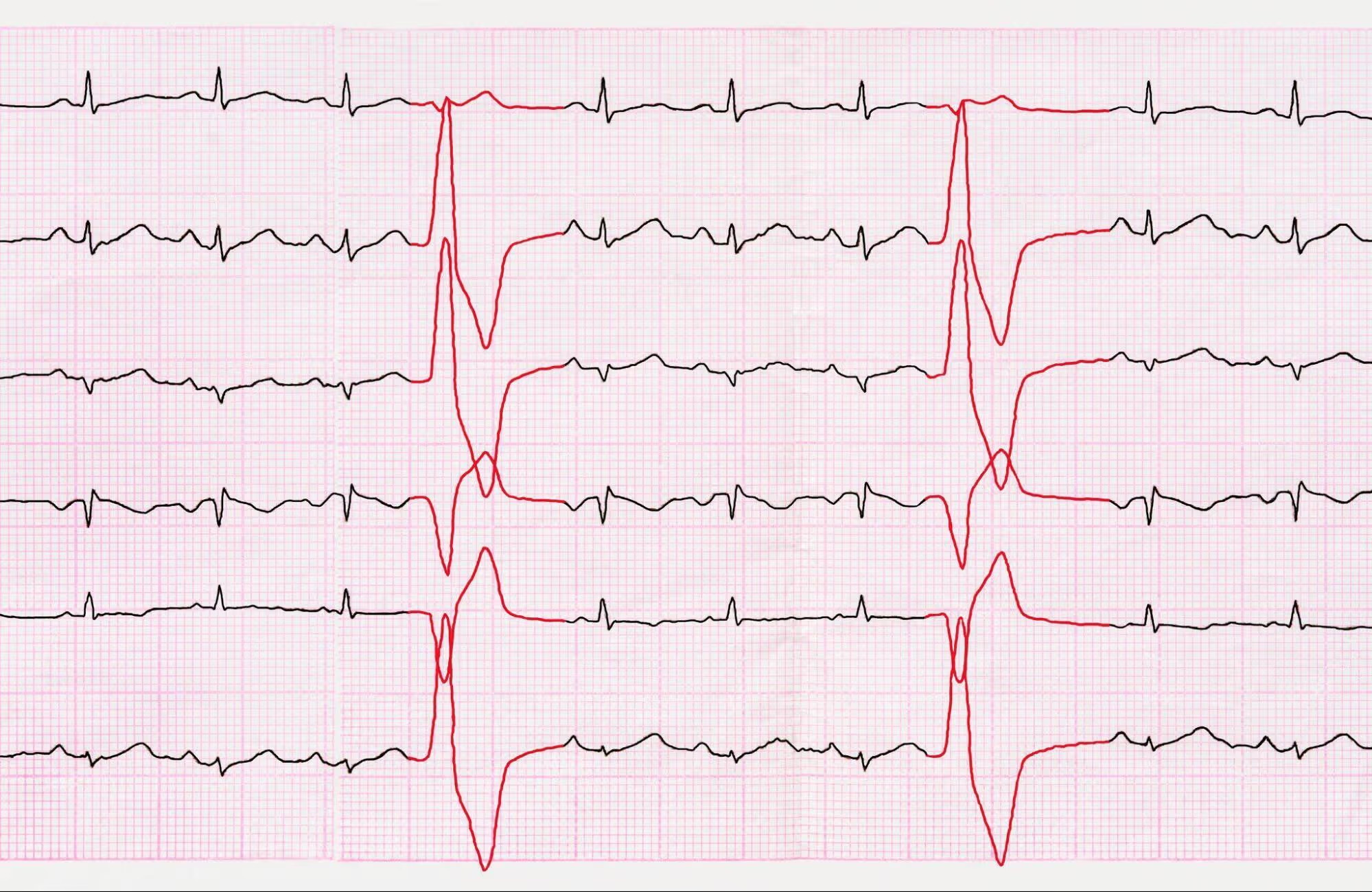
PAC vs. PVC: Understanding the Difference Between These Common Heart Rhythms
A premature atrial contraction (PAC) is an early heartbeat that starts in the upper chambers of the heart, while a premature ventricular contraction (PVC) is an early heartbeat that starts in the lower chambers. Both are common types of ectopic heartbeat, but they differ in origin, ECG appearance, and what they may signal about underlying heart health.
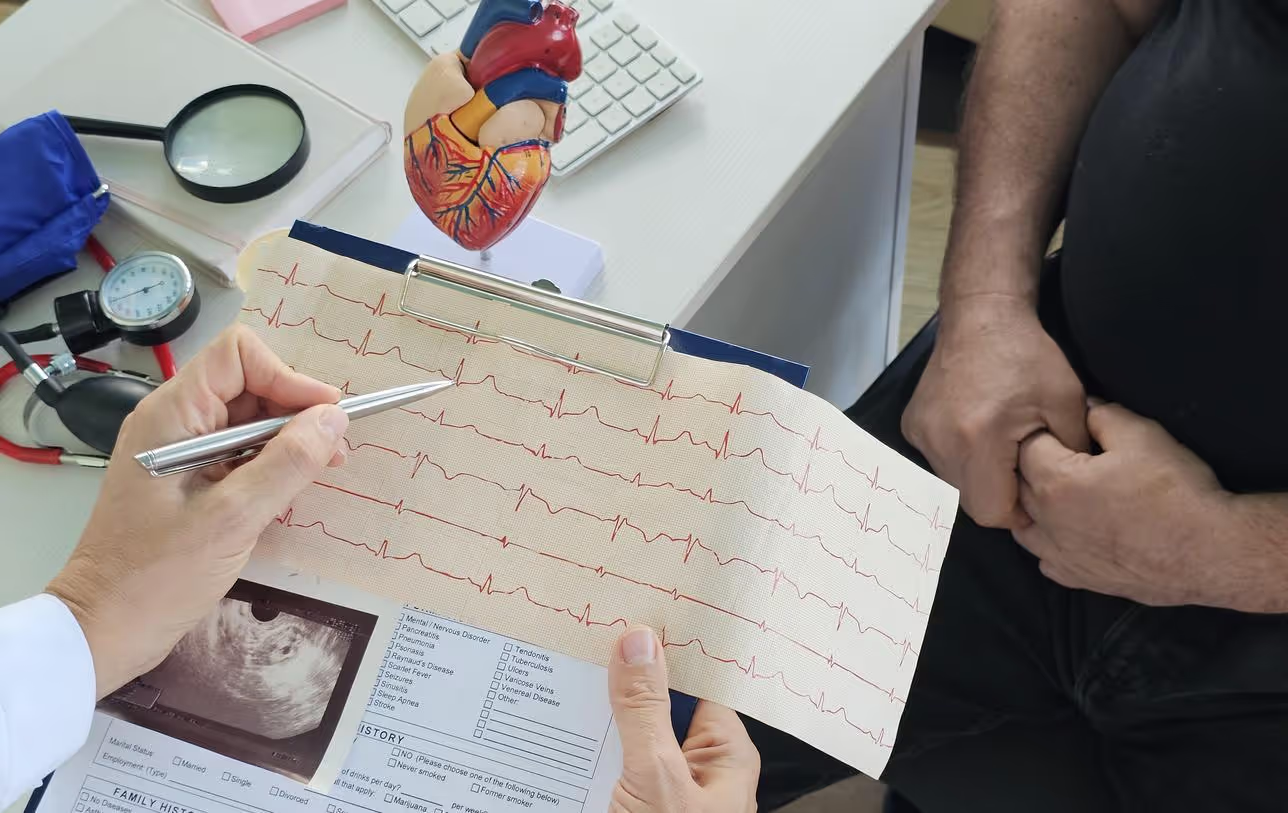
Event Monitor vs. Holter Monitor: Key Differences and When Each Is Used
A Holter monitor records your heart's electrical activity continuously for 24 to 48 hours, making it the better choice for frequent symptoms. An event monitor records only when a cardiac event happens or when a patient triggers it, giving it a longer monitoring period (often up to 30 days) for catching less frequent symptoms.

ECG vs. EKG vs. Echocardiogram: What's the Difference?
An ECG and EKG are the same test; both record the heart's electrical activity to detect rhythm problems. An echocardiogram uses sound waves to create images of the heart's structure and how blood flows through it.
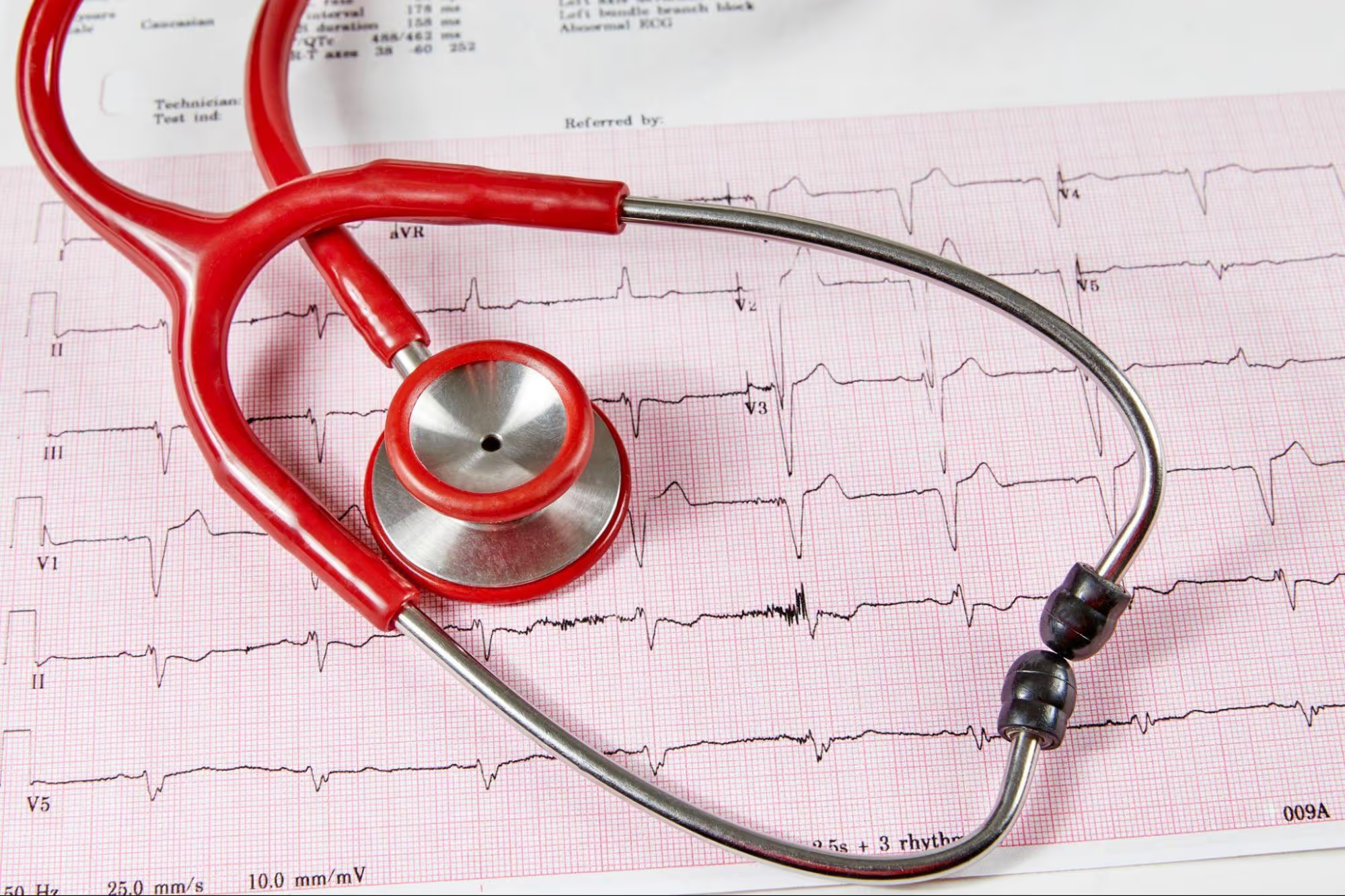
Atrial Fibrillation vs. Flutter: Causes, Risks, and How Cardiac Monitoring Helps
Atrial fibrillation and atrial flutter are both abnormal heart rhythms that originate in the upper chambers of the heart, but they differ in how their electrical signals behave, how they appear on an ECG, and how they are treated. Both carry serious risks, including stroke and heart failure, and accurate diagnosis through extended remote cardiac monitoring is the first step toward effective management.

Join Us in Revolutionizing Cardiology – Let's Transform Heart Health Together
Get in Touch