Tachycardia vs. Bradycardia: Causes, Symptoms, and How Each Is Monitored

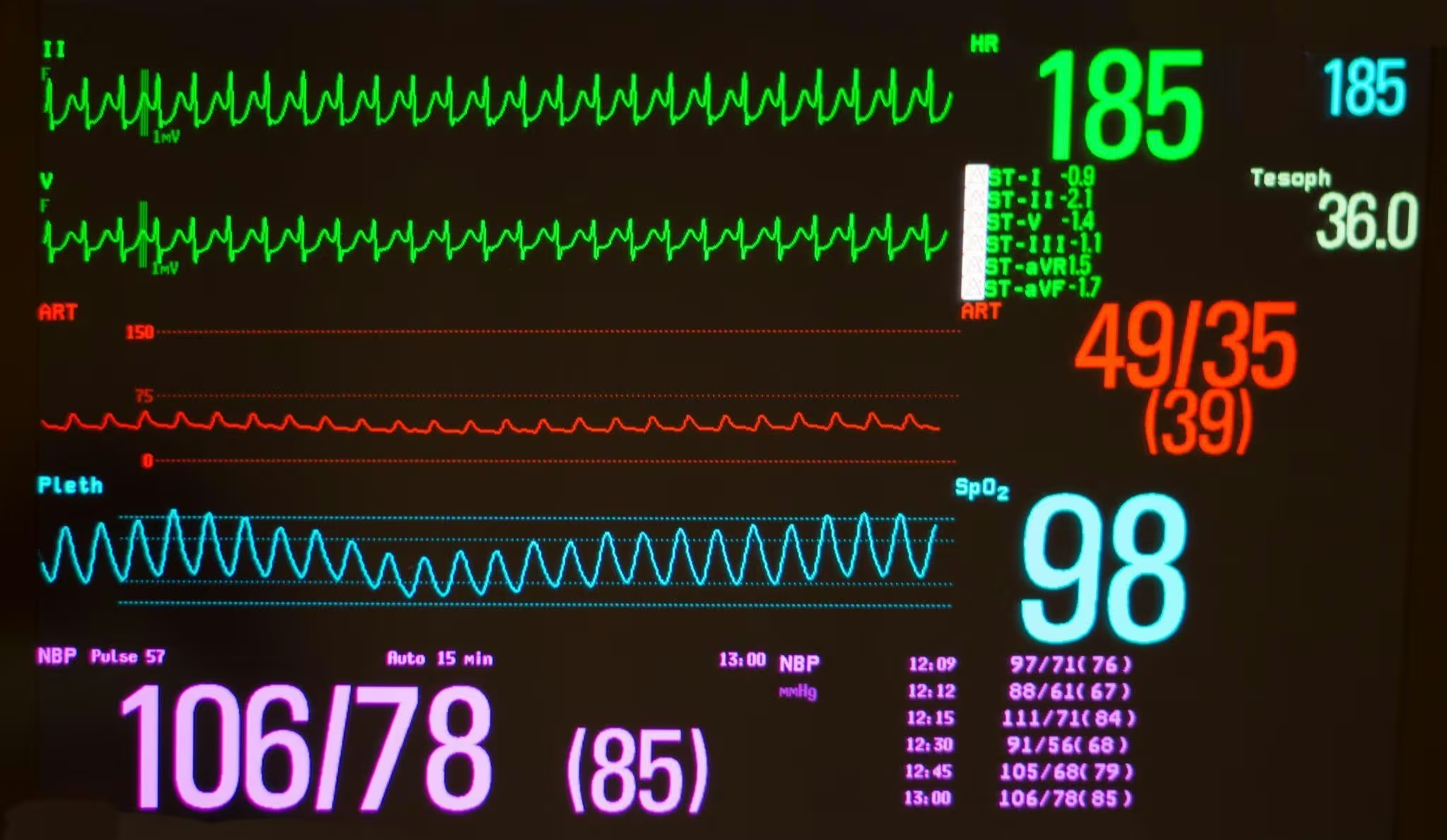
The Short Answer: Tachycardia is a heart rate faster than normal (over 100 beats per minute at rest), while bradycardia is a slow heart rate under 60 beats per minute. Both can be harmless or a sign of an underlying heart condition, and cardiac monitoring helps doctors tell the difference.
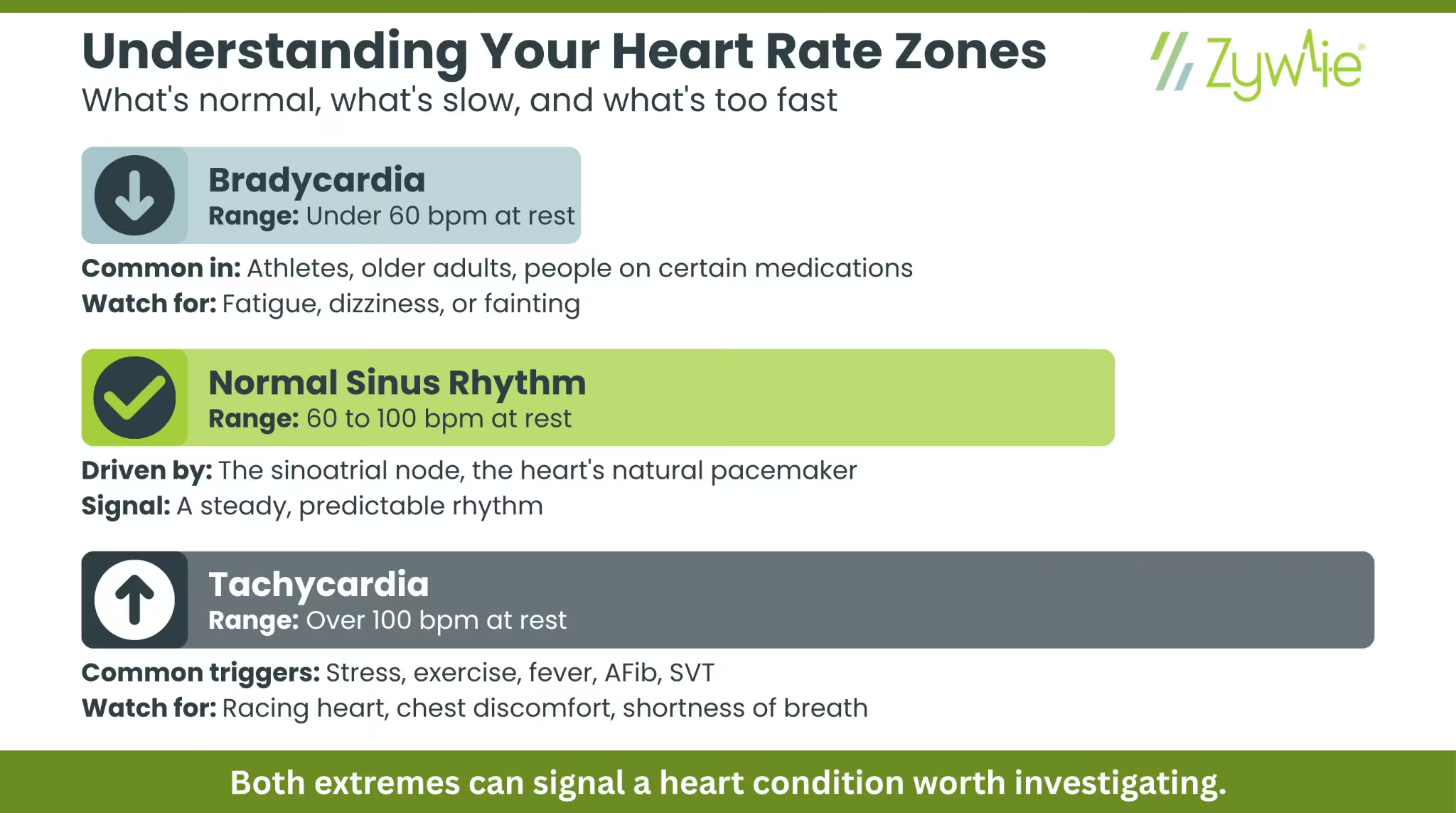
A normal resting heart rate sits between 60 and 100 beats per minute, driven by electrical signals from the sinoatrial node (the heart's natural pacemaker). When the rate runs too fast or too slow, doctors look for the cause. Some cases trace back to exercise, stress, or medication. Others point to a deeper issue with the heart's electrical system.
What Is a Normal Heart Rate?
A normal sinus rhythm comes from the sinus node, also called the sinoatrial node. This small cluster of cells in the right atrium sends electrical impulses that set the pace for each heartbeat. The signal moves through the AV node and into the ventricles, causing the heart to pump blood and produce cardiac output.
A normal resting heart rate for adults falls between 60 and 100 beats per minute. Heart rhythm disorders affect a sizable share of the general population, especially with age, and any rate outside that range falls into bradycardia or tachycardia.
What Is Tachycardia?
Tachycardia is a heart rate that runs faster than 100 beats per minute at rest. Some forms are harmless, like sinus tachycardia from exercise or anxiety. Others stem from problems with the heart's electrical system.
Types of Tachycardia
- Sinus tachycardia: A fast but normal sinus rhythm, often caused by stress, fever, or physical activity
- Supraventricular tachycardia (SVT): A fast heart rate that starts above the ventricles. Includes atrial tachycardia, atrial flutter, and atrial fibrillation.
- Ventricular tachycardia: A faster, more dangerous rhythm that starts in the lower chambers. Can lead to cardiac arrest if not treated.
- Relative tachycardia: A rate that is high for a person's baseline, even if technically within the normal range
Common Symptoms
- Pounding or racing heartbeat
- Irregular heartbeat sensations
- Shortness of breath
- Dizziness or lightheadedness
- Chest pain or chest discomfort
- Fatigue
Risk Factors for Tachycardia
- Heart disease, including congestive heart failure
- High blood pressure
- Diabetes
- Thyroid problems
- Caffeine, alcohol, or stimulant use
- Brugada syndrome and other conditions linked to genetic mutation
What Is Bradycardia?
Bradycardia is a slow heart rate, generally defined as under 60 beats per minute. That cutoff is known as the bradycardia threshold. For athletes and very fit people, a slow heartbeat at rest is often normal. For others, it can signal a problem with the sinus node or the AV node.
Types of Bradycardia
- Sinus bradycardia: A slow rhythm that still originates from the sinus node
- Sinus node dysfunction: Also called sick sinus syndrome, this occurs when the sinus node fires too slowly or pauses
- AV block: A delay or blockage in the electrical signal moving from the atria to the ventricles
- Sinus pause: A short interruption in the heart's normal pacing
- Relative bradycardia: A rate lower than expected given the patient's condition, for example, during fever
Common Symptoms
- Fatigue or weakness
- Dizziness or fainting
- Shortness of breath
- Chest pain
- Trouble exercising
Risk Factors for Bradycardia
- Age, especially over 65
- Heart disease and prior heart attack
- Certain blood pressure medications, including some calcium channel blockers and beta blockers
- Hypothyroidism
- Sleep apnea
- Inherited conditions involving a genetic mutation in the electrical system
When Each Becomes a Concern
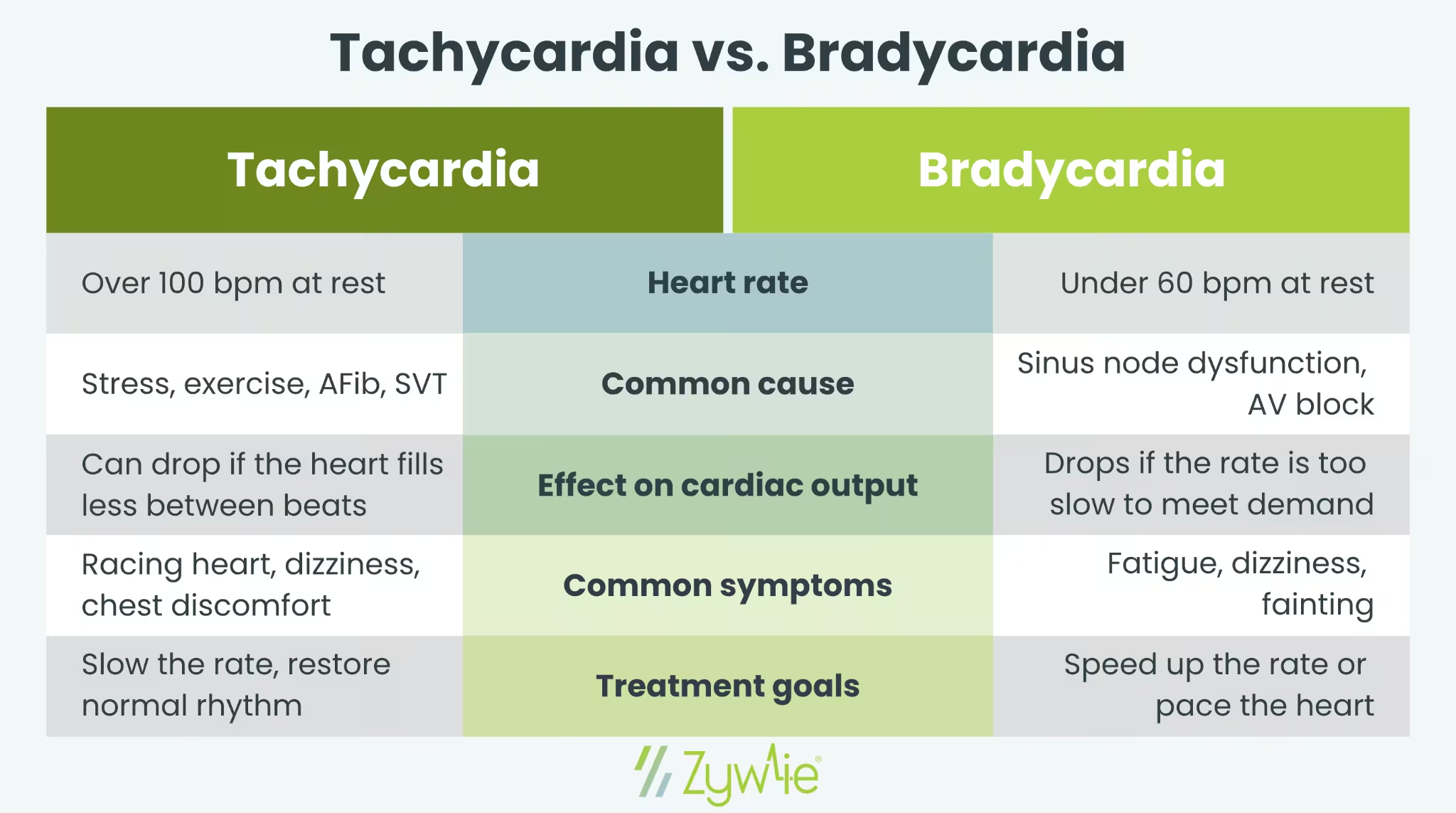
A fast or slow heart rate is not always a problem. Context matters.
Tachycardia Becomes Concerning When:
- It happens often without a clear trigger
- It causes fainting or chest pain
- It is paired with other arrhythmias like atrial fibrillation or atrial flutter
- It starts in the ventricles (ventricular tachycardia)
Bradycardia Becomes Concerning When:
- The slow heart rate causes symptoms
- The patient has known heart disease or congestive heart failure
- It comes with a sinus pause or AV block
- The patient is on medication that may need adjustment
How Tachycardia and Bradycardia Are Monitored
Diagnosing either condition requires capturing the heart's rhythm during a symptomatic episode. A few common tools:
12-Lead ECG
A standard 12-lead ECG records the heart's electrical activity from multiple angles. It is fast, non-invasive, and often the first test ordered. The downside: it captures only a few minutes of data, which can miss intermittent rhythms.
Holter Monitor
A Holter monitor records continuously for 24 to 48 hours. It catches more activity than an in-office ECG but may still miss arrhythmias that come and go.
Mobile Cardiac Telemetry (MCT)
An MCT device records for up to 30 days and transmits ECG data in near real-time to a physician-reviewed monitoring center. This longer window improves the chance of capturing an abnormal heart rhythm. Research published in The New England Journal of Medicine found that continuous monitoring detected atrial fibrillation in 6.4 times more patients than standard care at six months.
For more on this, see Zywie's What Is an MCT Monitor guide.
Treatment Approaches
Treatment depends on the cause and severity of the abnormal rhythm.
Treating Tachycardia
- Medications, including beta blockers and calcium channel blockers
- Electrical cardioversion to restore normal sinus rhythm
- Catheter ablation for SVT or ventricular tachycardia
- Treating underlying conditions like heart failure or thyroid issues
Treating Bradycardia
- Medication adjustment if a drug is causing the slow heart rate
- A pacemaker for persistent symptomatic bradycardia or AV block
- Treatment of underlying causes, such as sleep apnea or hypothyroidism
How Zywie Healthcare Supports Faster Diagnosis
Heart rhythm problems are often intermittent, so a short office visit may not catch them. Extended cardiac monitoring fills that gap by recording continuous ECG data over days or weeks.
Zywie Healthcare offers the ZywieNano™, a small wearable that records up to 30 days of continuous ECG data with near real-time transmission to a physician-reviewed monitoring center. Providers receive timely alerts when an abnormal rhythm appears, so they can act on findings without waiting for the device to be returned. That shortens the path to an accurate diagnosis for both tachycardia and bradycardia.
For practices looking to add remote cardiac monitoring to their workflow, contact Zywie Healthcare to learn how the system fits into modern cardiac care.
Join Us in Revolutionizing Cardiology – Let's Transform Heart Health Together