Event Monitor vs. Holter Monitor: Key Differences and When Each Is Used

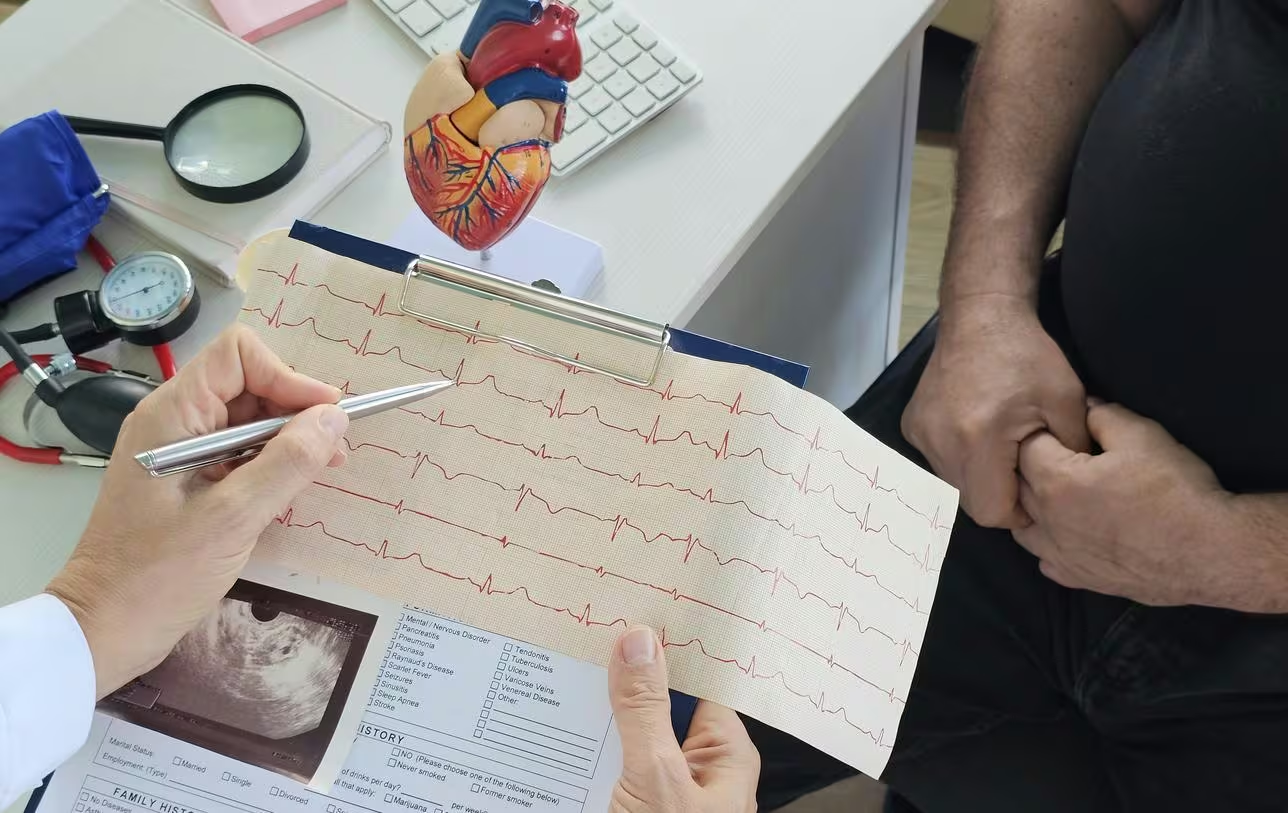
The Short Answer: A Holter monitor records your heart's electrical activity continuously for 24 to 48 hours, making it the better choice for frequent symptoms. An event monitor records only when a cardiac event happens or when a patient triggers it, giving it a longer monitoring period (often up to 30 days) for catching less frequent symptoms.
If your physician suspects an irregular heart rhythm, the right cardiac monitor depends on how often symptoms show up. Holter monitors and event monitors are two of the most common options, and each one fits a different clinical picture. Understanding how they differ, when physicians reach for one over the other, and how newer options like mobile cardiac telemetry fit in can help patients and providers move toward an accurate diagnosis faster.
What Is a Holter Monitor?
A Holter monitor is a small, portable device that continuously records the heart's rhythm over a set period, usually 24 to 48 hours. It is one of the oldest forms of ambulatory electrocardiogram (ECG) recording and still sits in routine use across cardiology practices.
How Holter Monitoring Works
The patient wears the cardiac monitor under clothing while going about regular daily activities. The device captures every heartbeat during the monitoring window, giving the physician a continuous log of the heart's activity.
- Small electrodes or an adhesive patch attach to the chest
- Wires connect to a recording device worn on a belt or strap in traditional models
- Some modern versions use sticky patches without external wires
- The device captures every beat, not only abnormal ones
When a Holter Monitor Is Used
Holter monitoring works best when a patient reports frequent symptoms that are likely to appear within the short recording window. Physicians often order it to evaluate:
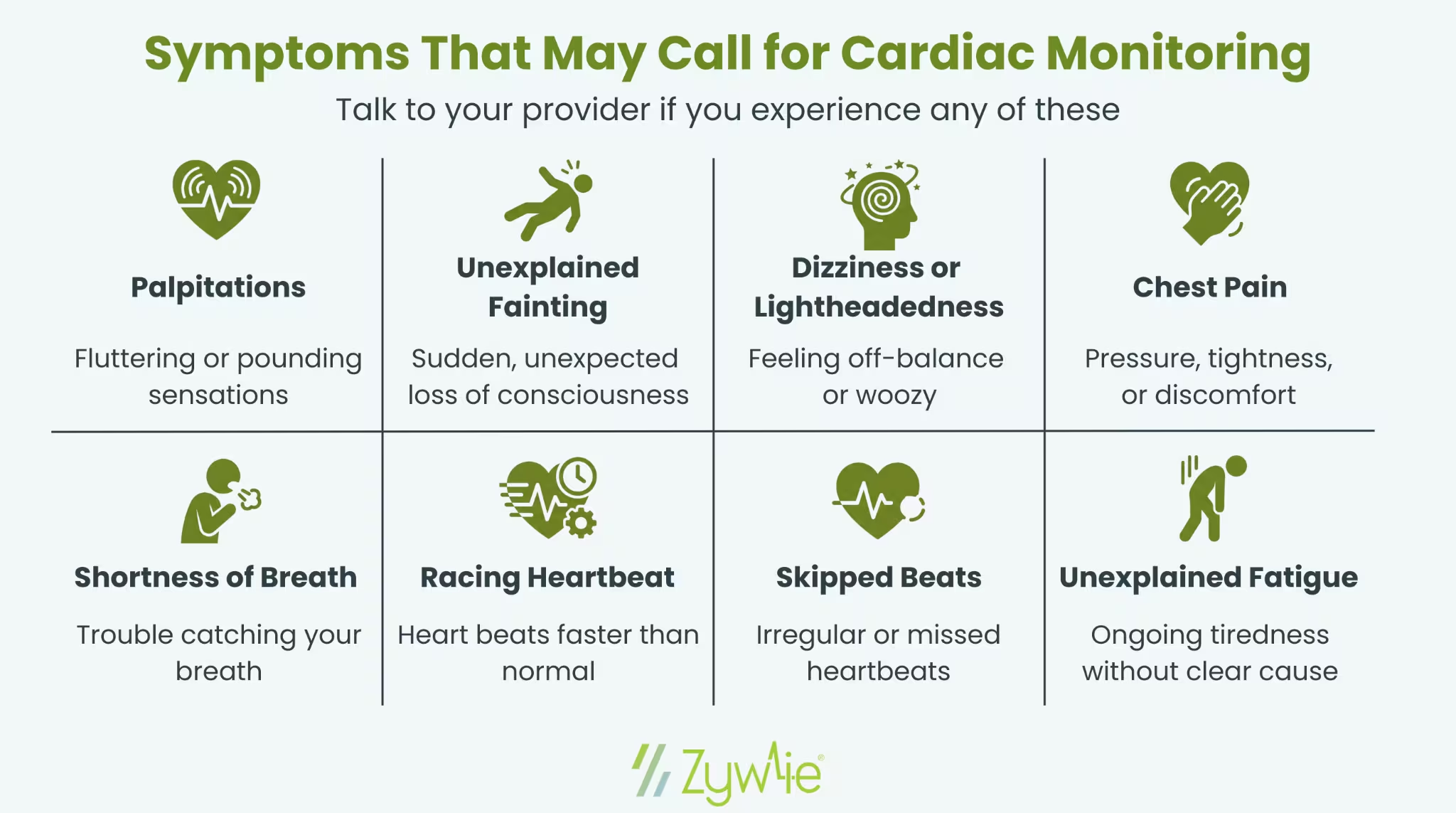
- Daily or near-daily palpitations
- Unexplained chest pain
- Suspected atrial fibrillation with regular episodes
- Supraventricular tachycardia or ventricular tachycardia with frequent symptoms
- Dizziness or lightheadedness that happens often
Limits of Holter Monitoring
The main drawback is simple: if symptoms do not show up during the 24 to 48-hour window, nothing gets captured. For patients with infrequent symptoms, this leads to a lower diagnostic yield and often a repeat round of testing.
What Is an Event Monitor?
A cardiac event monitor, also called an event recorder, is a portable device that records the heart's electrical activity only during specific moments. Those moments can be triggered by the patient, triggered automatically when the device detects an abnormal rhythm, or both.
How an Event Monitor Works
An event monitor is built to isolate moments that matter. The monitoring period typically runs 30 days, giving physicians a far longer window to catch infrequent symptoms than a Holter provides.
- Patient-triggered: The patient presses a button when they feel a symptom like palpitations or chest pain
- Auto-triggered: The device recognizes irregular electrical signals and records on its own
- Loop recorder: Keeps a rolling recording so data from before and after an event is saved
Types of Event Monitors
Several variations exist, each designed for a different clinical picture:
- Patient-triggered event recorder for patients who can reliably identify their symptoms
- An auto-triggered loop recorder that captures episodes the patient may not notice
- An implantable loop recorder is a small device placed under the skin for long-term monitoring of rare events
- Mobile cardiac telemetry (MCT) is an advanced form of ambulatory cardiac monitoring that transmits data to a remote center in near real-time
When an Event Monitor Is Used
Event monitoring is the stronger pick when symptoms come and go. Physicians often recommend it for:
- Fainting episodes with no clear cause
- Intermittent palpitations
- Symptoms that occur less than once per day
- Follow-up after a Holter monitor returns inconclusive results
- Patients with suspected paroxysmal atrial fibrillation
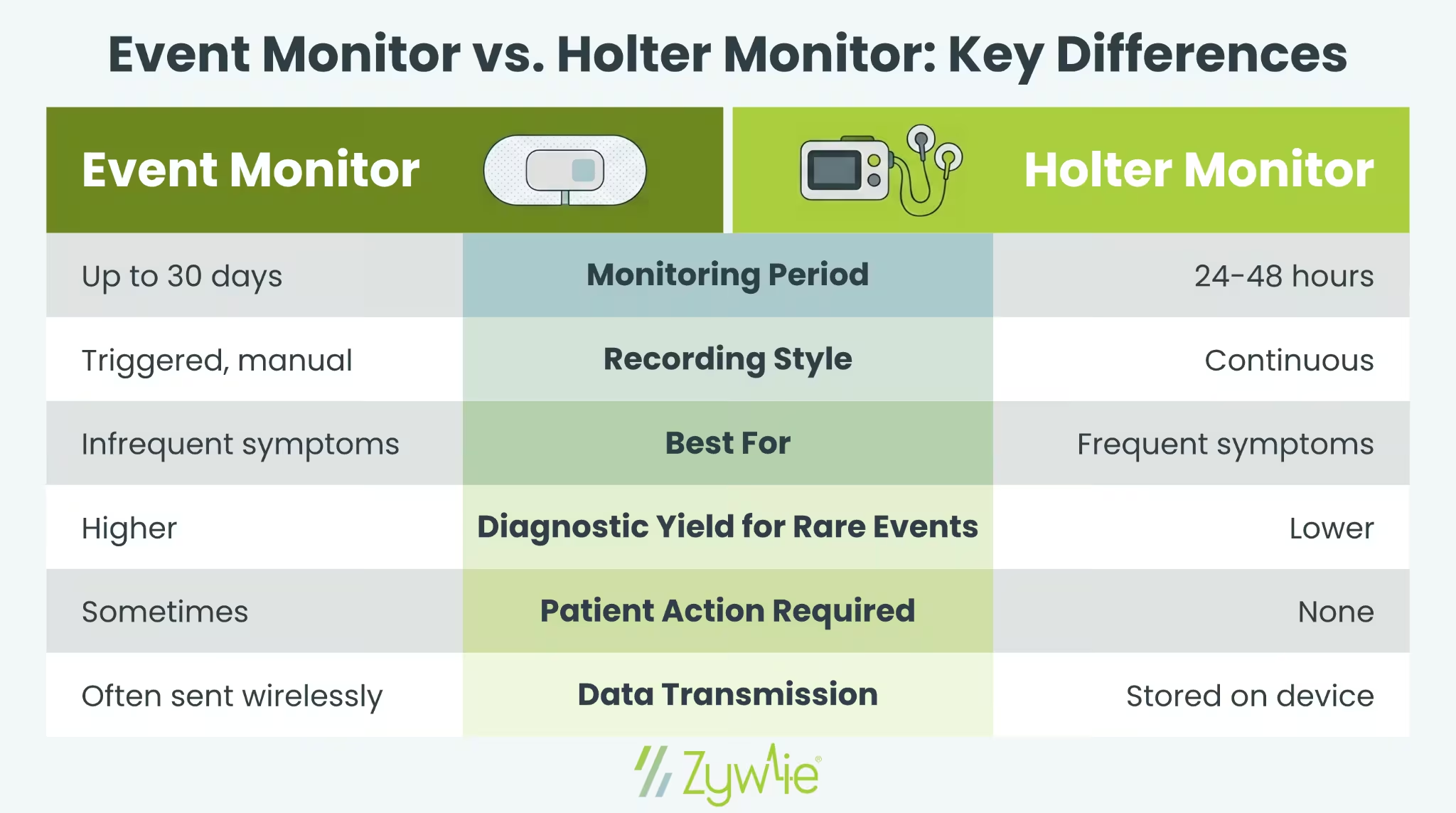
Which Monitor Does Your Doctor Choose?
The decision comes down to how often symptoms occur and
what the physician is trying to rule in or out.
A Holter Monitor Is Preferred When:
- The patient reports palpitations or chest pain daily
- The physician wants a full picture of normal daily activities over a short span
- Symptoms are tied to specific times, like sleep or exercise
- A short snapshot is enough to confirm or rule out an abnormal heartbeat
An Event Monitor Is Preferred When:
- Symptoms occur weekly or monthly rather than daily
- A prior round of Holter monitoring missed the event
- The patient needs longer coverage to capture irregular heart rhythms
- The physician is looking for atrial fibrillation that only shows up occasionally
For patients who fall between the two, mobile cardiac telemetry offers continuous coverage across a 30-day window with active monitoring support. You can read more in our overview of what an MCT monitor is.
What Patients Should Know About Wearing Either Monitor
Both devices are designed to fit into normal activities. Still, there are a few practical points worth covering before the device goes on.
Everyday Tips
- Avoid submerging the cardiac monitor in water unless the model is rated waterproof
- Keep the device away from strong magnets, metal detectors, and some electrical appliances
- Electric blankets and other high-powered devices can interfere with the signal
- Log any symptoms in a journal or companion app so the healthcare provider can match the symptoms to the ECG reading
- Continue regular daily activities so the recording reflects real-world heart rhythm
Signs to Report Right Away
Any of the following warrant an immediate call to the doctor's office:
- Sudden chest pain
- Shortness of breath
- Fainting or near-fainting episodes
- A rapid or pounding abnormal heartbeat that does not resolve
Beyond Holter and Event Monitors
Cardiac monitoring has moved forward quickly over the last decade. Newer options give physicians more data without the bulk or limits of older devices. A few worth knowing:
- Patch-based cardiac monitors: A small adhesive patch replaces older wire-based setups for better comfort and compliance
- Mobile cardiac telemetry: A wearable patch that transmits data to a monitoring center throughout the monitoring window
- Implantable loop recorders: Long-term implanted devices for patients with very rare symptoms
- Artificial intelligence analysis: Many monitoring centers now use AI to flag cardiac arrhythmias faster, cutting the time to accurate diagnosis
Research backs the shift toward longer monitoring windows. The CRYSTAL AF clinical trial, published in The New England Journal of Medicine, found that continuous cardiac monitoring detected atrial fibrillation in roughly six times more patients than standard care at six months. Systematic reviews of extended cardiac monitoring have reached similar conclusions across a range of cardiac arrhythmias.
Getting the Right Diagnosis with Zywie Healthcare

Choosing between an event monitor and a Holter monitor comes down to how often symptoms occur and what the physician needs to see. For frequent symptoms, a Holter monitor delivers a short, continuous look. For symptoms that come and go, an event monitor gives the longer window needed for accurate diagnosis.
Zywie Healthcare offers the ZywieNano, a mobile cardiac telemetry patch that combines the continuous coverage of a Holter monitor with the extended 30-day window of an event recorder. Data is reviewed by trained technicians and transmitted to the ordering physician in near real-time, with no waiting for the device to be returned.
Ready to move faster on cardiac diagnoses? Contact Zywie Healthcare to learn how the ZywieNano fits into your diagnostic workflow.
Join Us in Revolutionizing Cardiology – Let's Transform Heart Health Together