PAC vs. PVC: Understanding the Difference Between These Common Heart Rhythms

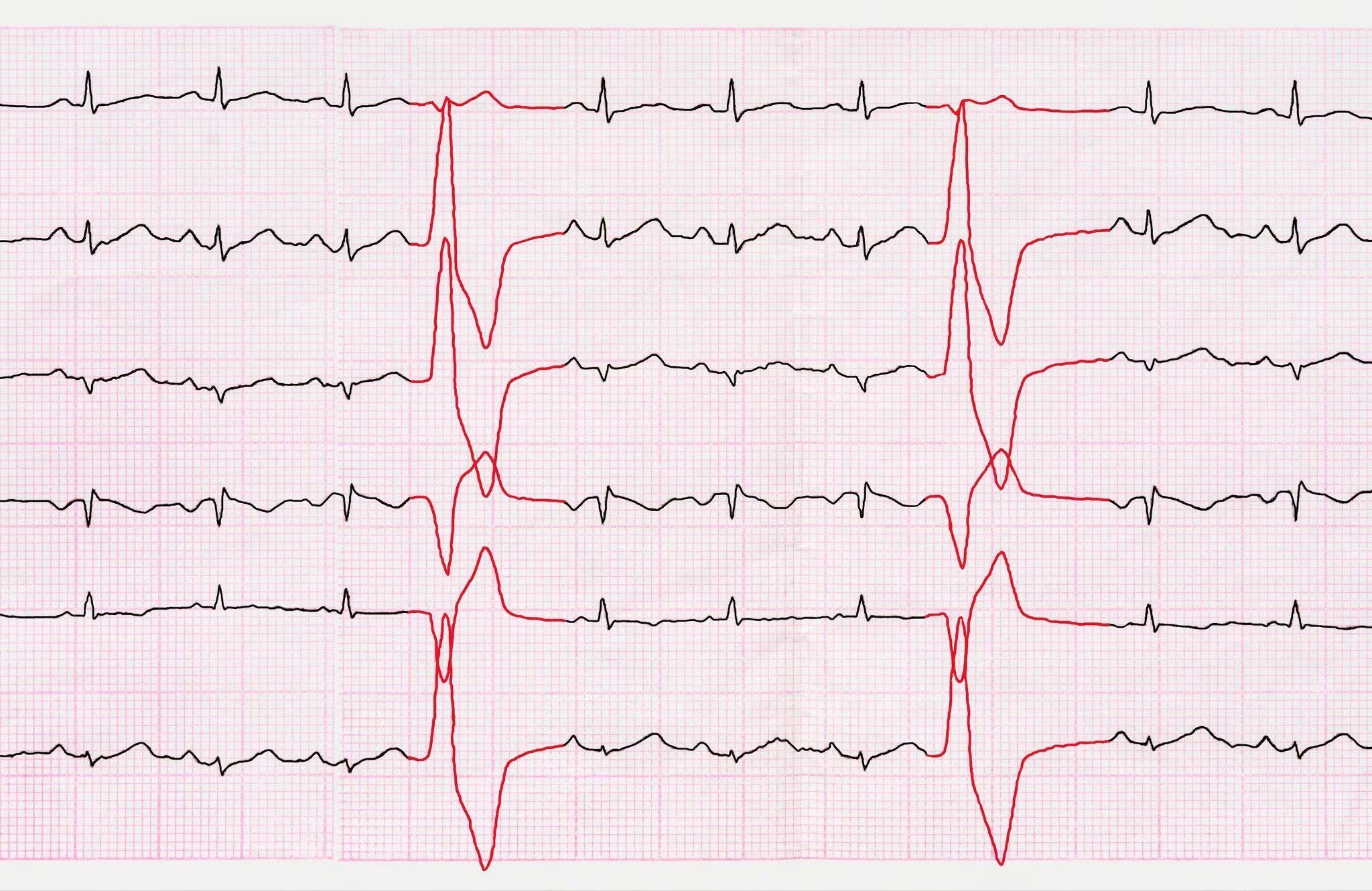
The Short Answer: A premature atrial contraction (PAC) is an early heartbeat that starts in the upper chambers of the heart, while a premature ventricular contraction (PVC) is an early heartbeat that starts in the lower chambers. Both are common types of ectopic heartbeat, but they differ in origin, ECG appearance, and what they may signal about underlying heart health.
Most people experience an extra beat at some point in daily life without ever noticing. For others, these irregular heartbeat episodes feel like fluttering, skipped beats, or a brief thump in the chest. Understanding how PACs and PVCs differ, what causes them, how a healthcare provider evaluates them, and when extended cardiac monitoring helps pinpoint the source can make all the difference in catching a real heart problem early. For a broader clinical overview of both conditions, the American Heart Association offers a helpful starting point.
What Is a Premature Atrial Contraction (PAC)?
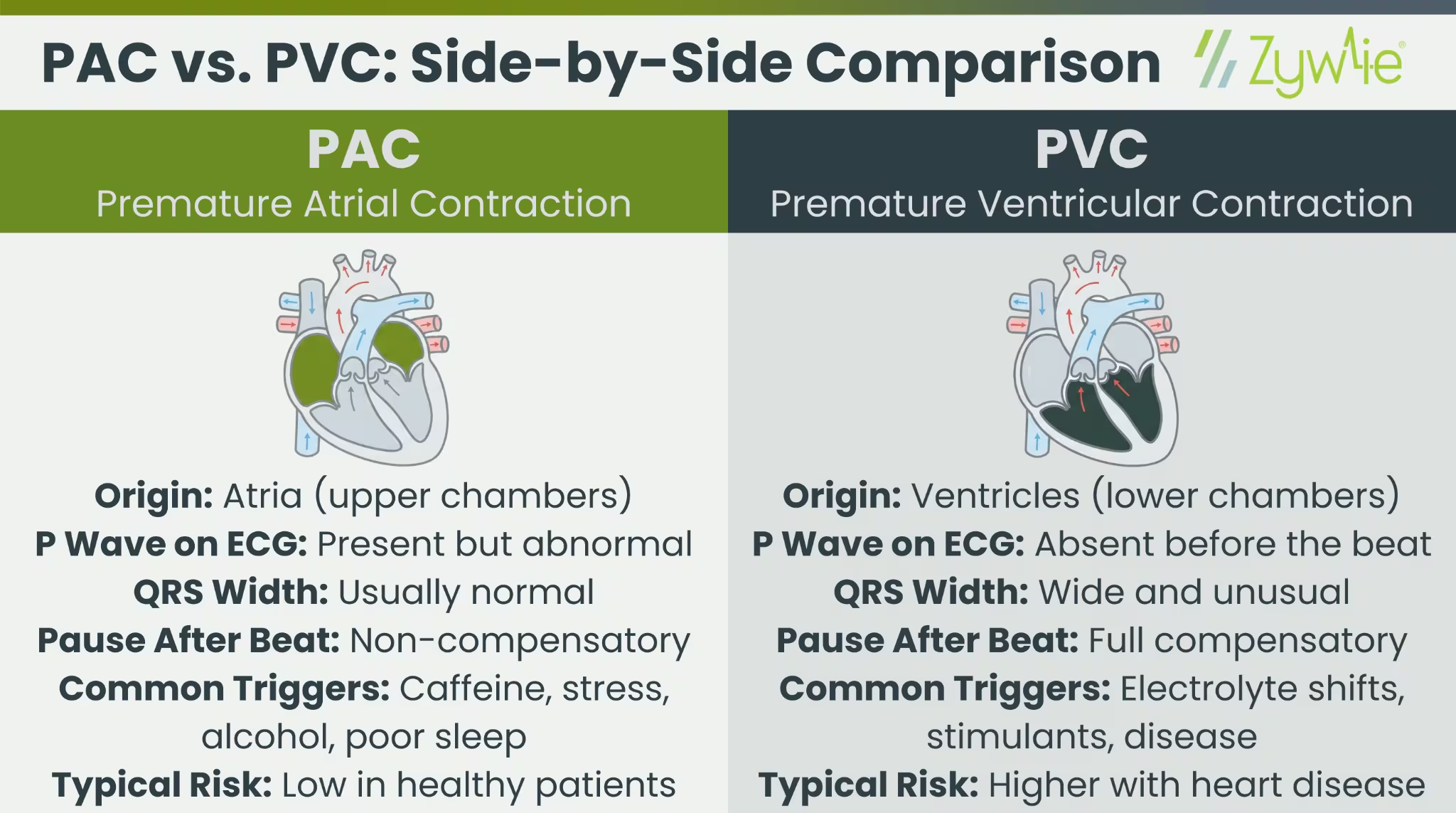
According to Cleveland Clinic, a premature atrial contraction, also called a premature atrial complex or atrial premature beat, is an extra heartbeat that starts in the atria (the upper chambers of the heart). Instead of waiting for the normal signal from the sinus node, a different spot in the atria fires early and produces an extra beat.
PACs are one of the most common forms of ectopic heartbeat. Occasional atrial premature beats show up in most healthy adults and rarely point to a serious heart problem.
How PACs appear on a 12-lead EKG:
- An early P wave that looks different from the P wave in a normal sinus rhythm
- A QRS complex that usually matches the basic sinus cycle
- A non-compensatory pause often follows, so the next beat comes slightly early
What Is a Premature Ventricular Contraction (PVC)?
A premature ventricular contraction is an early heartbeat that starts in the ventricles (the lower chamber of the heart). As Cleveland Clinic notes, the electrical signals behind a PVC come from a spot below the AV node, so the normal path through the right bundle branch and left bundle is bypassed.
How PVCs appear on a 12-lead EKG:
- No P wave before the beat
- A wide, unusual QRS complex, since ventricular complexes look different from normal beats
- A full compensatory pause typically follows the extra beat
- PVC morphology can resemble a right bundle branch block or left bundle branch block pattern, depending on where the PVC originates
PVCs are also common. Research published in StatPearls notes that PVCs are one of the most frequently encountered arrhythmias, with prevalence rising significantly with age and reaching the majority of adults when captured on extended monitoring.
What Causes PACs and PVCs?
A wide range of everyday triggers can produce an extra heartbeat from either chamber. Common contributors include:
- Caffeine, nicotine, and alcohol
- Stress and anxiety
- Poor sleep
- Electrolyte imbalance, especially low potassium or magnesium
- Stimulant medications
- Thyroid conditions
- High blood pressure
Some causes point to a more serious health condition. Underlying heart disease is worth ruling out, especially when PVC frequency is high or when symptoms feel different from usual palpitations.
Risk factors tied to heart problems:
- History of heart failure
- Prior heart attack or coronary artery disease
- Cardiomyopathy
- Valvular heart disease
Symptoms to Watch For
Many people never feel their PACs or PVCs. When symptoms do appear, they can include:
- A fluttering or skipping feeling in the chest
- A thump or forceful beat
- Brief dizziness or lightheadedness
- Shortness of breath
- Fatigue
Mayo Clinic notes that occasional extra beats in an otherwise healthy person rarely cause worry. Certain patterns, however, warrant closer examination by a healthcare professional.
When to See a Healthcare Provider
Reach out to a healthcare provider if you experience:
- Frequent irregular heartbeat episodes that disrupt daily life
- Palpitations paired with shortness of breath, chest pain, or fainting
- A history of atrial fibrillation or other heart disease
- Symptoms that feel stronger or last longer than usual
Research cited in StatPearls has linked frequent PACs to a higher chance of developing atrial fibrillation over time. A high PVC frequency, often defined as approximately 10% or higher of total beats according to the 2019 HRS Expert Consensus Statement, has been associated with a weakened heart muscle if left unaddressed.
How PACs and PVCs Are Diagnosed
A 12-lead EKG captures only a short snapshot of the heart's electrical activity. That window often misses PACs and PVCs, since these extra beats tend to happen intermittently throughout the day.
Extended Cardiac Monitoring Options
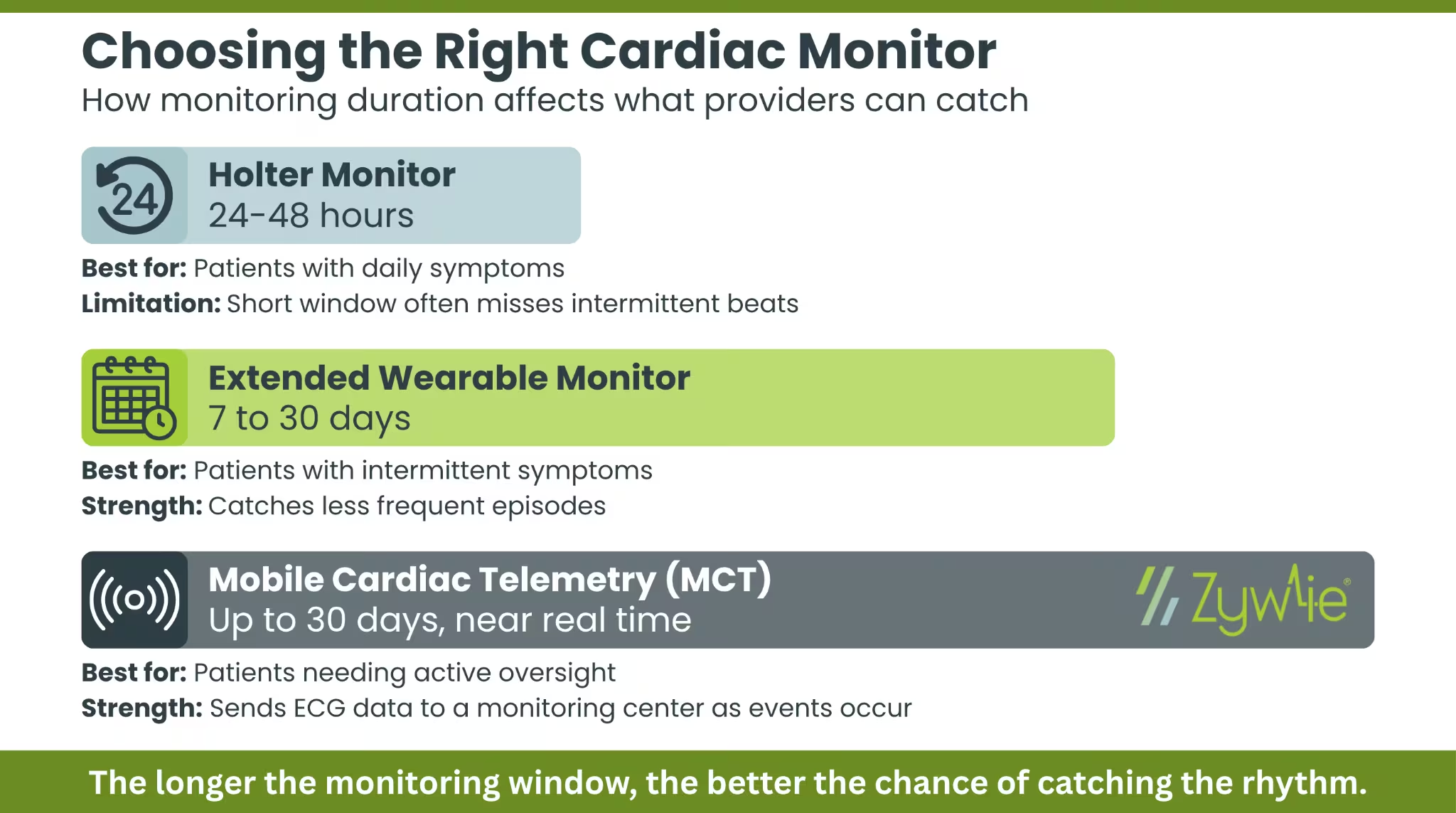
- Holter monitor: Records continuously for 24 to 48 hours and works well when symptoms happen daily
- Extended wearable monitors: Record for 7 to 30 days and pick up less frequent episodes
- Mobile cardiac telemetry (MCT): Sends ECG data to a monitoring center in near real time, giving providers early visibility into ventricular contractions and atrial premature beats
Clear cardiac data lets a healthcare professional evaluate PVC morphology, count total extra beats over the monitoring window, and identify whether premature atrial complexes are trending toward atrial fibrillation.
Treatment Options
Treatment depends on how often the extra beats happen, what symptoms they cause, and whether underlying heart disease is involved. Options can include:
- Lifestyle adjustments: Cutting caffeine, alcohol, and nicotine often reduces frequency
- Sleep and blood pressure management: Supports a steadier heart rhythm
- Beta blocker therapy: Helps ease palpitations and slow the heart rate in patients with bothersome symptoms
- Treating root causes: Correcting electrolyte imbalances, thyroid conditions, or managing heart failure
- Ablation procedure: Considered for patients with high PVC frequency or symptoms that do not respond to medication
Most patients with occasional PACs or PVCs require no treatment. The goal is to rule out a more serious heart problem and address triggers that increase the risk factor for recurrence.
Understanding Your Rhythm Starts With the Right Data

PACs and PVCs are both common forms of extra heartbeat that most people experience at some point. The main difference comes down to origin: PACs start in the upper chambers of the heart, while PVCs start in the lower chamber. For most healthy patients, these beats are harmless. Frequent episodes or symptoms like shortness of breath warrant evaluation by a healthcare professional to rule out underlying heart disease.
Accurate diagnosis starts with capturing the rhythm. The ZywieNano patch from Zywie Healthcare records beat-to-beat data for up to 30 days and transmits findings to a physician-reviewed monitoring center in near real time. For providers managing patients with suspected PACs, PVCs, or atrial fibrillation, that extended window delivers clearer answers faster.
Contact Zywie Healthcare to learn how the ZywieNano can support your cardiac monitoring workflow.
Join Us in Revolutionizing Cardiology – Let's Transform Heart Health Together